Service Offerings
Understanding what a service truly includes — and what it does not — prevents costly mismatches between client expectations and real scope of work.
The services listed below represent the core work most frequently referred for both residential and commercial installations. Each entry describes what the service encompasses, what standard preconditions apply, and what falls outside its boundary. Panel upgrades and wiring installation on this list are expected to be performed to the standards set by NFPA 70, the National Electrical Code, which means every circuit a referred contractor touches should be inspected against the same code a municipal inspector will check it against. This transparency reduces project risk and creates a shared understanding of the work before it begins.
| Service | What is included | What is not included |
|---|---|---|
| Residential Electrical Panel Upgrade | Load calculation, permit application, removal of existing panel, installation of new 200-amp service, bond and ground installation, inspection coordination | Main breaker replacement on existing panel, sub-panel work, HVAC circuit modifications beyond planned scope |
| Electrical Wiring Installation | New circuit run, outlet and switch installation, proper gauge and routing to code, connection to existing or new panel, labeling and testing | Fixture installation or hardwiring of appliances, wall repair or finishing, junction box concealment |
| EV Charger Installation | Dedicated 240-volt circuit installation, charger mounting and connection, Level 2 equipment, code compliance verification, startup and testing | Driveway trenching or underground conduit, charger equipment itself, HVAC or appliance circuit work |
| Commercial Lighting & Systems | LED retrofit design, fixture replacement, control system wiring, emergency backup circuits, fixture testing and commissioning | Fixture design or custom engineering, structural modifications, data network integration |
| All services include a walk-through, project estimate, and timeline. Unforeseen conditions discovered during work are reviewed with the client before proceeding. Material costs are quoted separately from labor. | ||

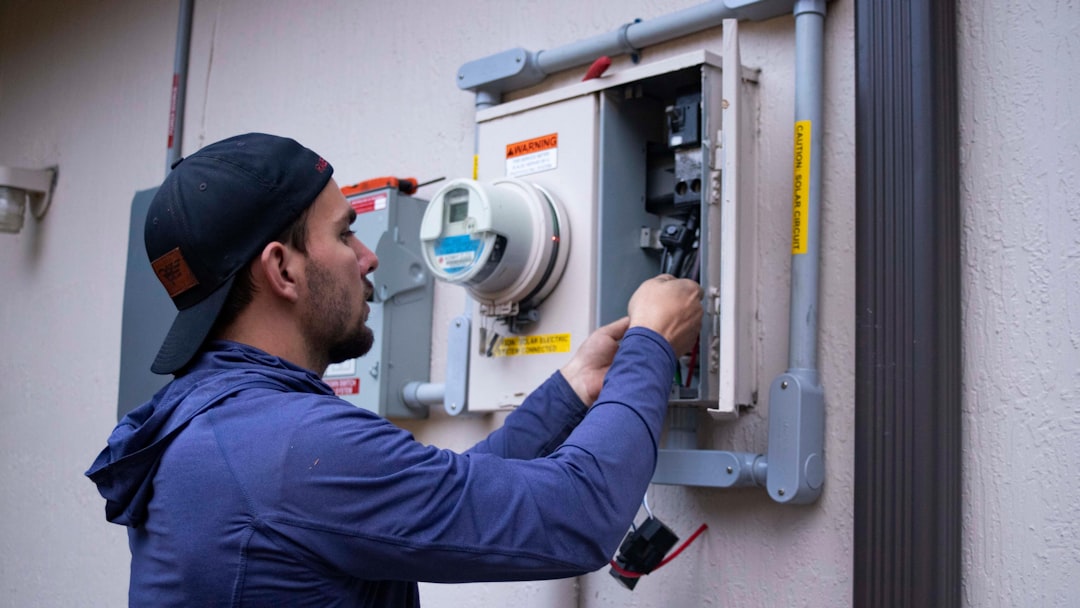
What the first site visit covers
The starting point for any project is a site visit and honest scope discussion. That call costs nothing, and it prevents misunderstandings before they happen. Once scope is clear, you receive a written estimate with timeline and material costs broken out separately. Most residential projects start within one to two weeks of approval.
Homeowners often bring smaller jobs to that visit that never show up in a table like the one above: walkway and outdoor lighting, circuits for a new addition, a basement turned into living space. A residential electrician can scope those at the same time, which is usually cheaper than coming back for each one.
Level 1 or Level 2 charging at home
Home EV charging comes in two speeds, Level 1 and Level 2, and the equipment and circuit requirements differ. Level 1 uses a standard 120-volt outlet and charges an electric vehicle overnight; Level 2 requires a dedicated 240-volt circuit and delivers a full charge in 4 to 8 hours. For the detail on which one fits a given driveway and the permitting path your jurisdiction requires, see the Department of Energy's home charging guide. The circuit sizing and cable choice depend on charger model and planned usage—factors best sorted in a phone call before an estimate.
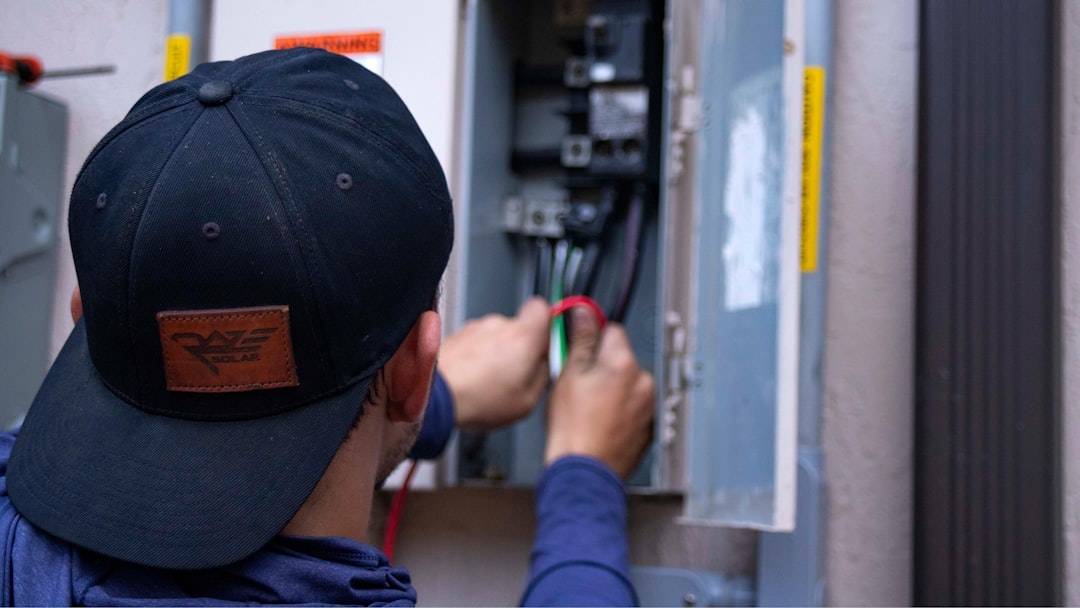
The decision to engage a service provider rests on clarity about what they do and what outcomes they're responsible for. This page exists to build that clarity before the first visit. Questions about your specific situation belong in that initial consultation, not buried in a contract afterward.
Wiring installation is the line in the table that most often grows mid-project, because a new circuit usually ends at a light. Recessed lights, new fixtures, outdoor lighting and LED upgrades are best handled as one lighting scope, which keeps the wiring and the fixture under a single estimate.